Reliable Information
We aim to prioritize credible sources, explain important details in context, and avoid presenting uncertain claims as established facts.
 Ask & Explore
Shared author profile for practical guides, clear explanations, and everyday decisions.

The Ask & Explore Editorial Team is the shared author identity used for articles published under this name on Ask & Explore. Our content focuses on useful explanations, practical guidance, and the information readers need to better understand everyday questions and decisions.
From technology guides and automotive comparisons to digital safety tips, buying guides, lifestyle advice, and travel planning, our goal is to make complicated information easier to understand.
This profile explains the principles behind our publishing approach and brings together articles attributed to the Ask & Explore Editorial Team. The shared byline does not mean that multiple writers contributed to every article.
Learn more about Ask & Explore.
Ask & Explore is operated by Sufyan Ali, who manages the website and its editorial direction. For questions, feedback, or corrections, please visit our Contact page.

Explore practical information about the technology, products, decisions, and everyday experiences that matter to you.
Technology, Automotive, Buying Guides, Lifestyle, Digital Safety, and Travel.
Our editorial approach is built around understanding readers' questions, considering relevant evidence, and explaining information clearly. These are principles we aim to apply, rather than a claim that every article receives independent testing or external expert review.
We aim to consult relevant sources, including official documentation, research publications, and reports where appropriate. We consider what the information supports, what remains uncertain, and whether important details may have changed.
Our approach is to answer the main question clearly, explain unfamiliar terms, and present relevant options and tradeoffs. We want readers to understand both the useful information and its limitations.
Our editorial standards emphasize checking important factual claims against relevant sources. We aim to distinguish confirmed information from estimates, opinions, and claims that require additional verification.
Technology, prices, product availability, travel information, and official guidance can change. Publication and update dates provide useful context, but they do not guarantee that every detail remains current.
We believe useful information should be understandable, supported by relevant evidence, and clear about its limitations.
We aim to prioritize credible sources, explain important details in context, and avoid presenting uncertain claims as established facts.
Our content focuses on answering practical questions in straightforward language. We aim to explain what matters, where the tradeoffs lie, and what readers may need to check before making a decision.
Information can become outdated, and errors can happen. Reader questions and correction reports help bring important details to our attention for review.
Have a question about an article, noticed outdated information, or want to suggest a correction?
Use our Contact page and include the article URL, the specific information you want us to review, and a supporting source where possible.
We want readers to understand the evidence and limitations behind an article, rather than rely on a recommendation simply because it appears on our website.
Sources, methods, and supporting details can help you judge whether an article's conclusions apply to your situation. We encourage readers to examine those details.
Product comparisons should explain relevant features and tradeoffs. A review label does not automatically mean hands-on testing, and applicable commercial relationships should be disclosed.
We focus on making complex information easier to follow, including the differences between available options and the factors that may affect a decision.
Prices, specifications, software features, and official policies can change. Check the article date and verify important time-sensitive details with the original provider.
The following principles guide the approach we aim to take when preparing practical guides, explanations, comparisons, and other informational content.
For more information, read our Editorial & Affiliate Disclosures.


Different questions require different kinds of evidence. A technology guide may benefit from official product documentation, while an automotive cost comparison may depend on published studies, current prices, and clearly stated assumptions.
We aim to use sources appropriate to each subject and make important limitations understandable. When information depends on a specific date, location, product version, or set of assumptions, that context matters.
We do not promise a fixed update schedule. Readers should check publication and update dates and confirm important changing details with the relevant original source.
Look for information that directly addresses the subject and helps clarify the main question.
Consider the assumptions, evidence, limitations, and circumstances behind important claims.
Make readers aware when prices, availability, software features, or other information may change.
Our editorial principles favor relevant, credible information. The most appropriate sources depend on the subject and the evidence needed.
Government agencies, regulators, official support centers, and public guidance can provide authoritative information about rules, services, and procedures.
Industry studies and published reports can help explain market trends, comparisons, and costs. Their methods, assumptions, and potential interests should be considered.
Academic papers and other research publications can provide evidence about particular questions. Individual findings should be understood within their study limitations.
Established news and specialist publications can offer useful reporting, context, and perspectives, especially when they identify their underlying sources.
Manufacturer specifications, product manuals, and official support materials help explain features, compatibility, and intended operation. Manufacturer claims should not automatically be treated as independently verified results.
Articles published under the Ask & Explore Editorial Team byline use our shared author identity. This does not necessarily mean multiple people worked on an individual article. The author profile provides information about the publishing approach associated with that byline.
Our editorial principles emphasize relevant evidence, careful treatment of factual claims, and clear explanations of uncertainty. The methods and sources available may differ by article. Readers can examine the information provided and report details that may need review.
There is no fixed update schedule. Publication and update dates help readers understand when an article was prepared or revised, but important details such as prices, product features, and official guidance should be checked with the original source.
Visit our Contact page, select the correction option, and provide the article URL, the specific issue, and supporting information where possible.
Browse the latest articles attributed to the Ask & Explore Editorial Team, including technology explanations, automotive comparisons, digital safety guides, lifestyle advice, and travel information.
Loading team articles…
Find practical how-to guides, product comparisons, and clear explanations across our main topics. Choose a category to explore articles relevant to your next question or decision.
Loading topics…
AI tools, software, digital services, laptops, and technology explanations.
Vehicle comparisons, ownership costs, maintenance considerations, and car-buying decisions.
Product features, specifications, prices, comparisons, and purchasing tradeoffs.
Digital wellbeing, daily routines, productivity, and practical everyday habits.
Online privacy, account security, cyber scams, and safer digital practices.
Flight booking, travel planning, price comparisons, and practical travel tips.
Explore AI tools, software, laptops, digital services, and everyday technology questions.
Understand vehicle comparisons, ownership costs, maintenance considerations, and car-buying choices.
Compare features, specifications, prices, and practical considerations before purchasing.
Discover ideas for digital wellbeing, focus, daily routines, and everyday productivity.
Learn about account protection, online privacy, scams, and safer digital habits.
Explore flight booking strategies, travel planning, fare comparisons, and practical trip preparation.

Locked out of WhatsApp or worried someone can read your chats? Learn how to recover a hacked WhatsApp account, remove unknown linked devices, handle verification or SIM problems, restore available backups, and protect your conversations and contacts from further scams.

Electric cars can be cheaper to power, but are they cheaper to own? Compare 2026 electric and hybrid ownership costs using AAA research, charging prices, depreciation, and a real Chevrolet Equinox EV versus Toyota RAV4 Hybrid example. Learn which expenses matter before you buy.

Spending more time on your phone than you meant to? This guide explains how to reduce screen time without giving up useful technology. Learn practical ways to manage distractions, set limits on iPhone and Android, build better daily routines, and try a flexible seven-day digital detox.

Learn how to find cheap flights in 2026 with the best booking times, Google Flights tips, price alerts, and proven money-saving strategies. Compare fares, avoid hidden fees, and book smarter for domestic and international travel.
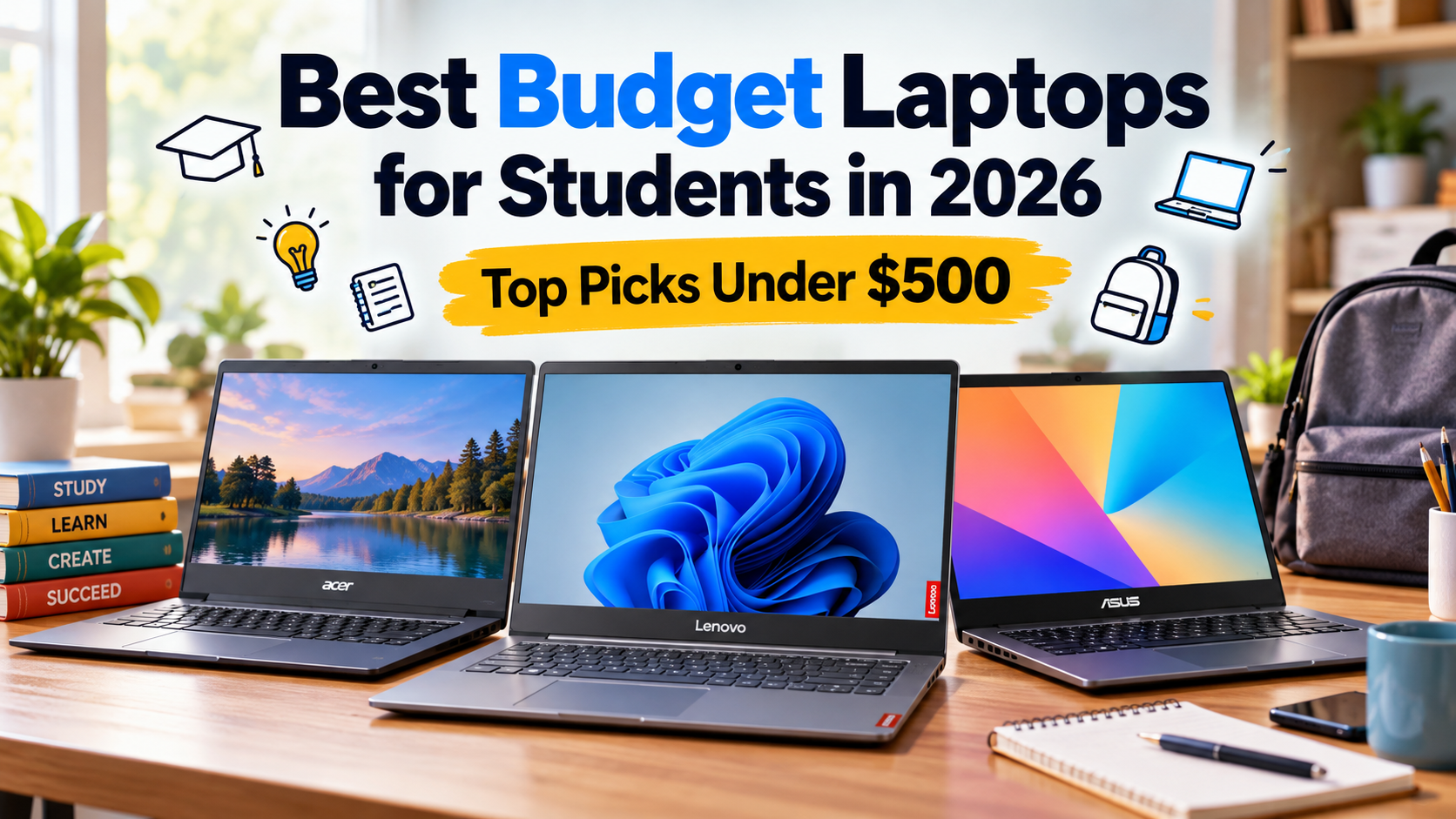
Discover the best laptops under $500 for students in 2026. Compare affordable Lenovo, Acer, and ASUS laptops, explore key features, performance, battery life, and drawbacks, and find the right laptop for college, coding, and everyday schoolwork.
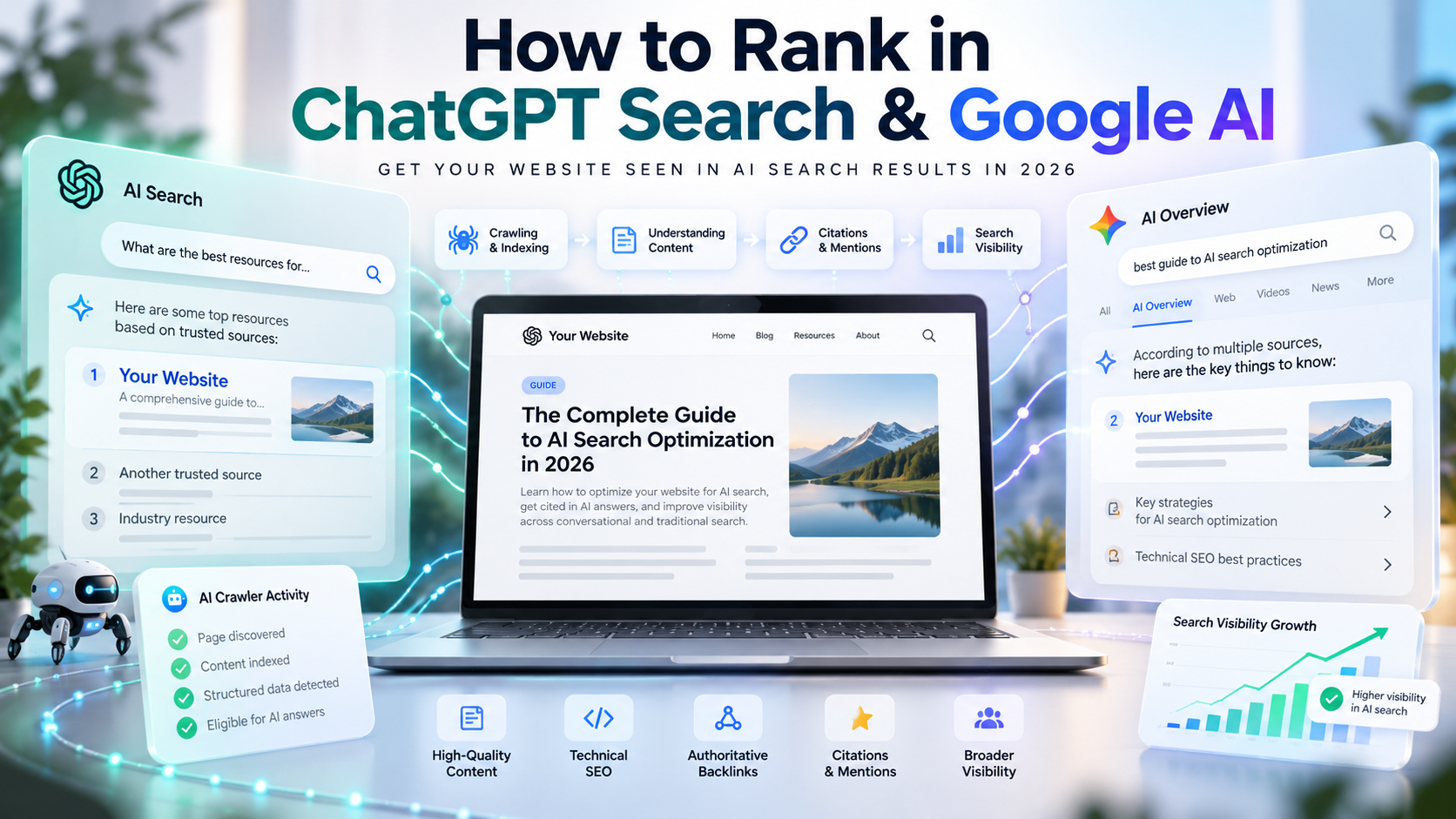
Learn how to rank in ChatGPT Search and appear in Google AI Overviews and AI Mode. Discover practical SEO strategies, crawler settings, indexing tips, and proven ways to improve your website's AI search visibility in 2026.